Understanding Organic Traffic

Organic Traffic refers to the visitors who land on a website after finding it in the unpaid. Or "natural," search results of a search engine. When someone types a question or keyword into Google, Bing. Or another search engine, the results page shows a mix of paid advertisements and organic listings. Clicking on an organic listing sends the user to the website. And that visit counts as Organic Traffic. Unlike paid traffic, which comes from ads, Organic Traffic is free and earned through effective search engine optimization (SEO) practices.
Related glossary terms: Keyword Research, Backlink, Search Engine Results Page.
For website owners, Organic Traffic is one of the most valuable types of traffic because it tends to bring visitors who are genuinely interested in the content, products. Or services offered. These visitors are often further along in their decision-making process, making them more likely to engage with the site or make a purchase. But earning Organic Traffic requires consistent effort, as search engines use complex algorithms to rank websites based on relevance, quality. And user experience.
How Organic Traffic Works?
Search engines like Google use automated programs called crawlers to scan websites and index their content. When a user searches for a keyword, the search engine sorts through its index to find the most relevant pages. The ranking of these pages depends on hundreds of factors, including keyword usage, site speed, mobile-friendliness. And the number of high-quality backlinks pointing to the site. Websites that meet these criteria well appear higher in the search results, increasing their chances of receiving Organic Traffic.
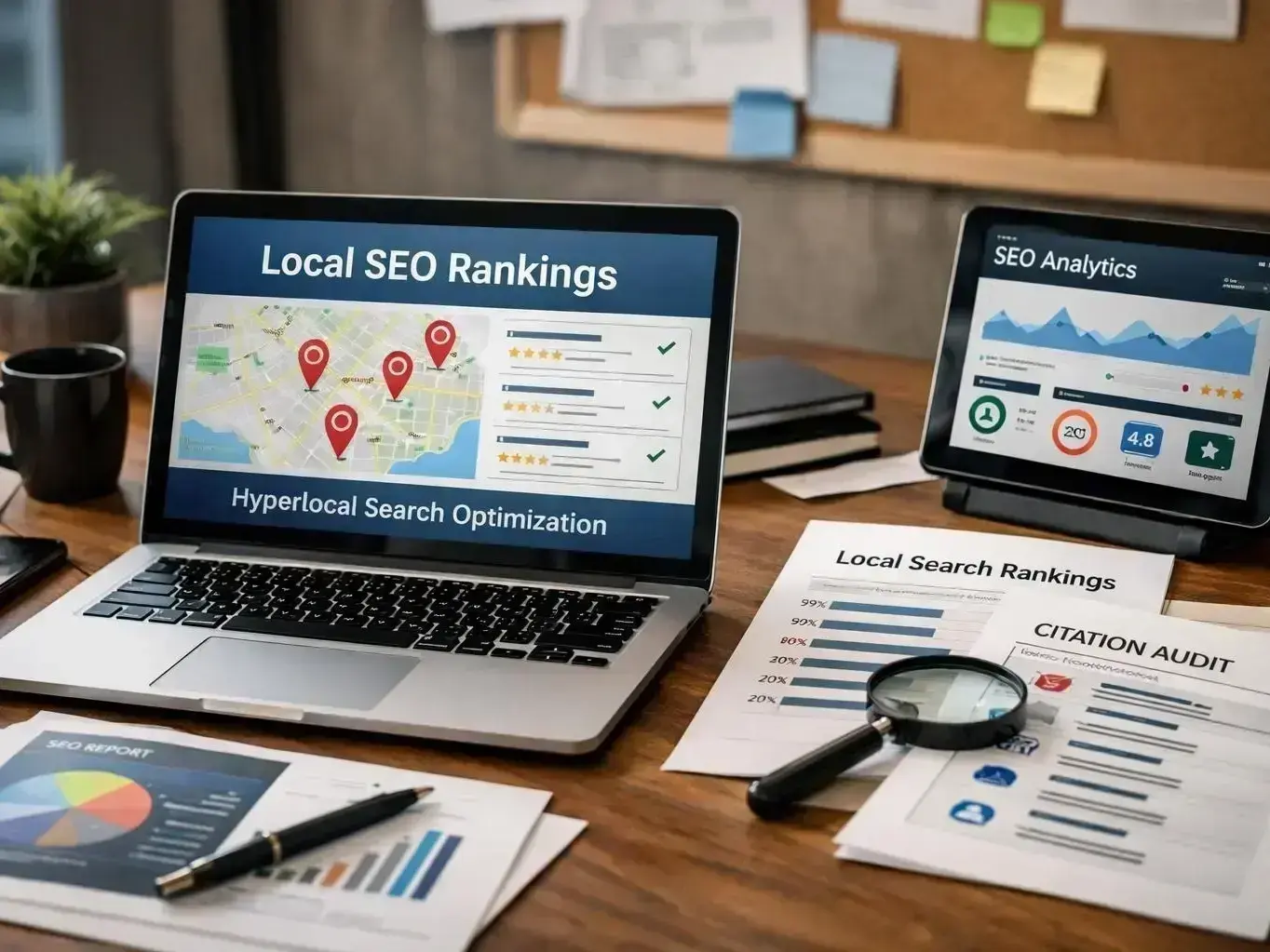
For local customers, Measuring Organic Traffic is straightforward with tools like Google Analytics. Website owners can see how many visitors arrive from organic search, which keywords they used. And how long they stayed on the site. This data helps identify which pages perform well and which need improvement. For example, if a blog post ranks high for a specific keyword and drives a lot of Organic Traffic, the website owner might create more content on similar topics to attract even more visitors.
Why Organic Traffic Matters?

Organic Traffic is important because it provides a sustainable way to attract visitors without relying on paid advertising. While paid ads can deliver quick results, they stop driving traffic as soon as the budget runs out. In contrast, Organic Traffic continues to flow as long as the website maintains its search engine rankings. This makes it a cost-effective strategy for long-term growth, especially for small businesses or websites with limited marketing budgets.
Another benefit of Organic Traffic is its ability to build trust and credibility. Users often skip paid ads and click on organic results because they perceive them as more trustworthy. A website that consistently appears at the top of search results signals to users that it's a reliable source of information. This trust can lead to higher engagement, more conversions. And repeat visitors, all of which contribute to the site's success.
When Organic Traffic Matters Most?
Organic Traffic becomes especially important for websites that rely on visibility to attract customers or readers. For example, e-commerce sites depend on Organic Traffic to bring in potential buyers searching for products. Similarly, blogs or news sites use Organic Traffic to grow their audience and increase ad revenue. Even local businesses, like restaurants or service providers, benefit from Organic Traffic when users search for services in their area.
Organic Traffic also matters when launching a new website or trying to recover from a drop in visitors. If a site suddenly loses traffic, it could be due to changes in search engine algorithms, increased competition. Or technical issues like broken links. Monitoring Organic Traffic helps website owners identify problems early and take corrective action. For instance, if a page that once ranked well stops receiving traffic, the owner can update the content, fix technical errors. Or build more backlinks to restore its ranking.