Understanding Page Speed

Page Speed refers to how quickly a single webpage loads and becomes fully functional for a user. It's not the same as the overall speed of a website, which might include multiple pages. Instead, it focuses on the performance of one specific page. When a visitor clicks a link or types a URL, the browser begins downloading all the necessary files—like HTML, images. And scripts—to display the page. The faster these files load, the sooner the visitor can read, watch. Or interact with the content.
Page Speed is measured in seconds. But even small delays can make a big difference. Studies show that most users expect a page to load in under two seconds. If it takes longer, many will leave before the page finishes loading. For many customers, that is the difference. This is especially true for mobile users, who often have slower internet connections. A slow page can frustrate visitors, hurt engagement. And reduce the chances they will return to the site.
How Page Speed Is Measured?
Page Speed is evaluated using several key metrics that track different stages of the loading process. One of the most important is First Contentful Paint (FCP), which measures how long it takes for the first text or image to appear on the screen. Another critical metric is Largest Contentful Paint (LCP), which tracks when the main content of the page—like a large image or headline, becomes visible. These metrics help identify whether a page feels fast to users, even if some background elements are still loading.
In practice, Tools like Google PageSpeed Insights, Lighthouse. And WebPageTest analyze these metrics and provide scores. They also offer suggestions for improvement, such as compressing images, reducing server response time. Or removing unnecessary scripts. These tools test both mobile and desktop versions of a page, since performance can vary depending on the device and internet connection. While no single tool is perfect, using multiple tools can give a clearer picture of how a page performs in real-world conditions.
Why Page Speed Matters?
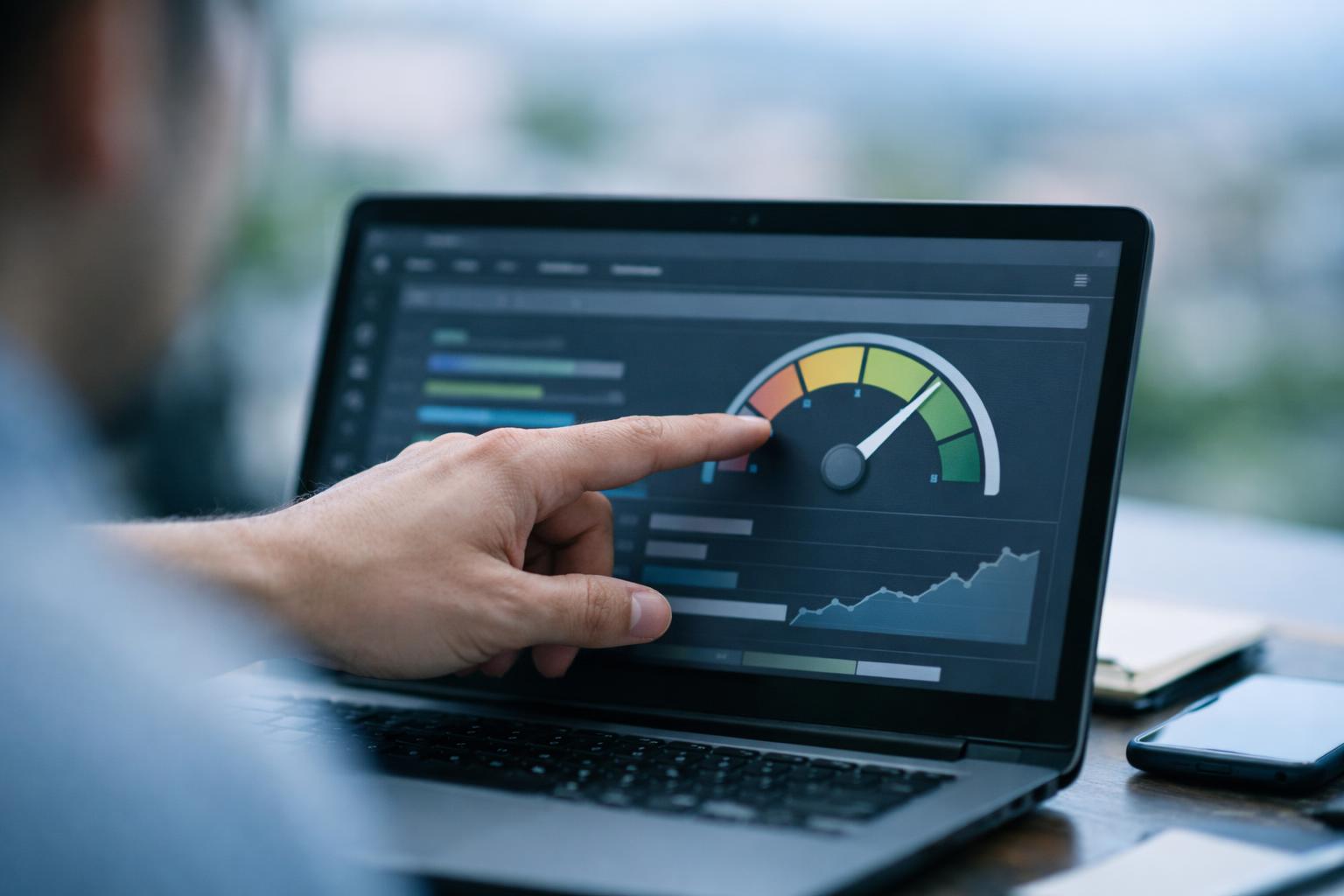
Page Speed has a direct impact on both user experience and search engine optimization (SEO). When pages load quickly, visitors are more likely to stay on the site, explore additional pages. And complete actions like filling out a form or making a purchase. Slow pages, on the other hand, lead to higher bounce rates, where visitors leave without interacting with the content. This can hurt conversions, sales. And overall engagement.
Search engines like Google also prioritize fast-loading pages in their rankings. Since 2010, Google has used page speed as a ranking factor for desktop searches. And in 2018, it extended this to mobile searches as well. Pages that load slowly may appear lower in search results, making it harder for potential visitors to find them. This is especially important for businesses in competitive industries, where even small improvements in speed can lead to better visibility and more traffic.
When Page Speed Matters Most?
Page Speed is most critical for websites that rely on user engagement, conversions. Or high traffic volumes. For example, e-commerce sites need fast pages to keep shoppers from abandoning their carts. News websites must load quickly to retain readers who want instant access to articles. Even local businesses, like restaurants or service providers, benefit from fast pages because potential customers often search on mobile devices while on the go.
In El Paso, TX, where many small businesses serve both local customers and visitors from nearby cities, page speed can be a deciding factor. A slow-loading page might cause a user to click back to search results and choose a competitor instead. And with the rise of mobile-first indexing, where Google primarily uses the mobile version of a site for ranking, ensuring fast load times on smartphones is more important than ever. Regularly testing and optimizing page speed can help businesses stay competitive and meet the expectations of today’s internet users.